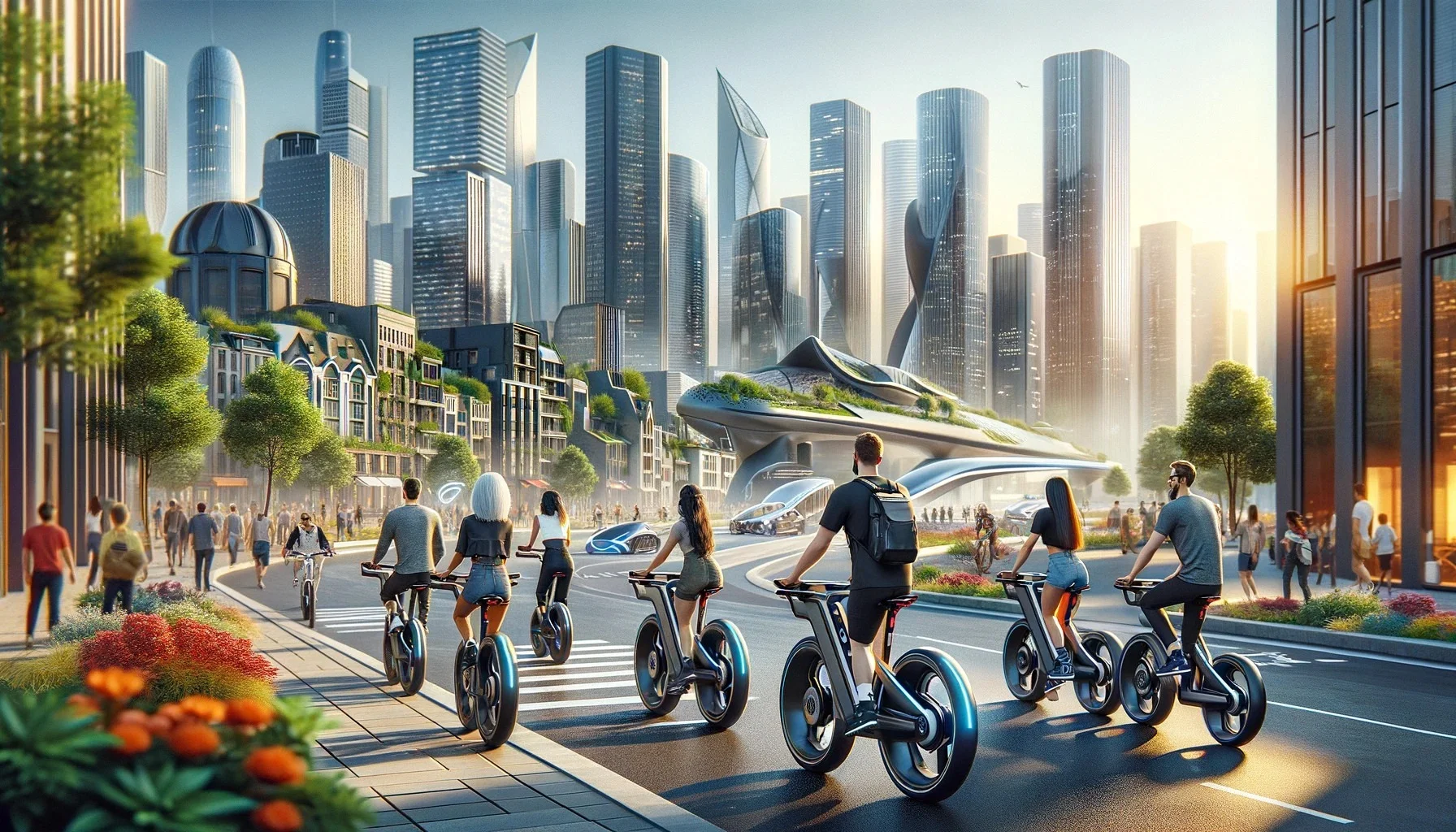
The way we navigate our cities is on the cusp of a transformation more profound than any since the invention of the automobile. The year 2025 is not just a date on the calendar; it represents a pivotal convergence of technology, environmental urgency, and shifting societal values that is fundamentally reshaping urban mobility. This is not merely about getting from point A to point B. It is about creating smarter, cleaner, more efficient, and more human-centric urban ecosystems. This definitive guide delves into the core components of this revolution, exploring the technologies, strategies, and trends that will define how we move in the near future.
Introduction: The Imperative for Change in City Transportation
Our current urban transportation model, heavily reliant on privately-owned, internal combustion engine vehicles, is buckling under its own weight. Chronic congestion saps economic productivity, contributing to an estimated loss of billions of dollars annually in major metropolises. Air pollution from tailpipe emissions poses a severe public health risk, and the quest for parking dominates valuable urban real estate. Furthermore, the climate crisis demands an immediate and decisive shift away from fossil fuels. These converging pressures have catalyzed a global movement towards a new mobility paradigm—one that is connected, autonomous, shared, and electric (CASE). This guide will unpack each of these pillars and illustrate how they integrate to form the future of urban mobility.
A. The Electric Vehicle (EV) Ecosystem: Powering the Silent Revolution
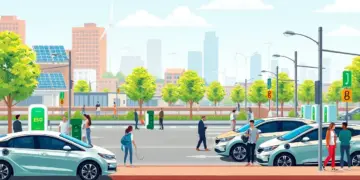
The electrification of transport is the most visible and rapidly accelerating trend. By 2025, EVs are expected to move from the early adopter phase into the mainstream consumer market, driven by falling battery costs, extended ranges, and a proliferating charging infrastructure.
1. Beyond the Car: The Diversification of Electric Mobility
While electric cars (BEVs and PHEVs) grab headlines, the true revolution is happening on two and three wheels. E-scooters, e-bikes, and e-mopeds are solving the “last-mile” problem—the final leg of a journey from a transit hub to a destination. They offer a zero-emission, highly efficient, and affordable way to navigate dense urban cores, reducing reliance on cars for short trips.
2. The Infrastructure Challenge: Building the Charging Backbone
Widespread EV adoption is inextricably linked to the availability of convenient charging. The 2025 mobility landscape will feature a multi-layered charging network:
-
Level 2 Public Chargers: Ubiquitous in shopping centers, offices, and curbsides, providing a full charge in 4-6 hours.
-
DC Fast Charging Hubs: Strategically located along highways and major arteries, enabling 80% charge in 20-30 minutes, making long-distance EV travel feasible.
-
Wireless Inductive Charging: Emerging technology that allows vehicles to charge by simply parking over a charging pad, potentially embedded in roads at traffic lights or taxi stands.
3. Vehicle-to-Grid (V2G) Technology: A groundbreaking innovation where EVs do not just draw power from the grid; they can also send stored energy back to it. This turns a city’s fleet of EVs into a massive distributed battery, helping to stabilize the grid during peak demand and store excess energy from renewable sources like solar and wind.
B. Autonomous Vehicles (AVs): Redefining the Concept of Driving
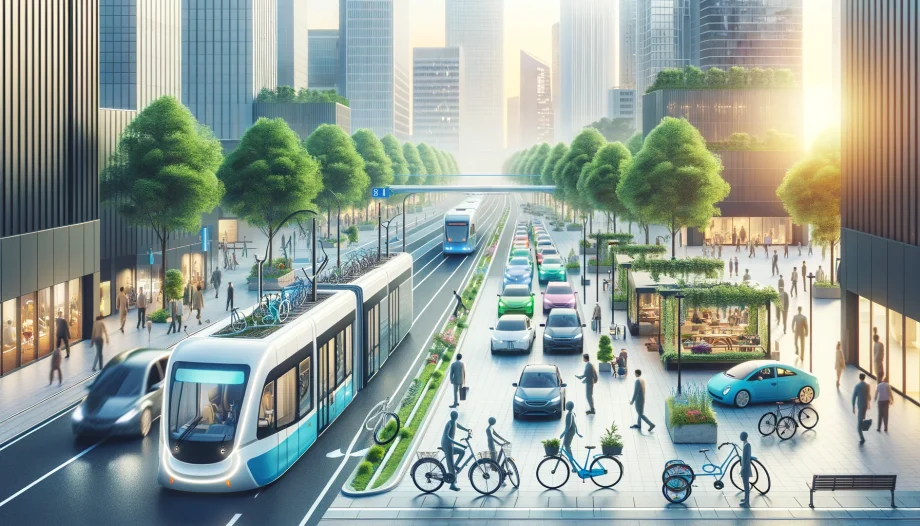
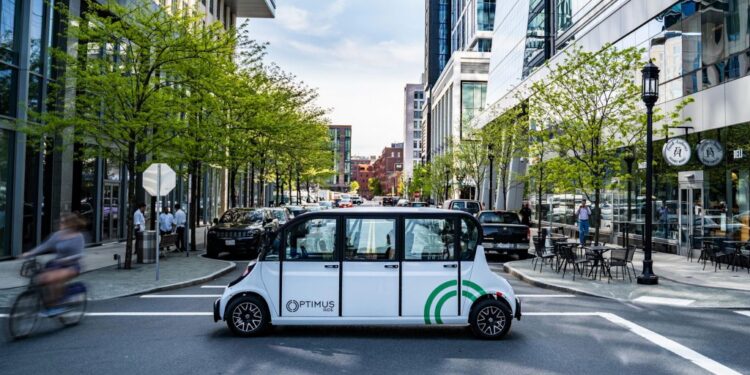
Self-driving cars represent the most technologically ambitious aspect of the future mobility landscape. By 2025, we will likely see expanded deployment of Level 4 autonomy (highly automated in specific geographic areas or conditions) in ride-sharing and delivery services.
1. The Safety and Efficiency Dividend: The primary promise of AVs is a drastic reduction in accidents caused by human error, which account for over 90% of crashes. AVs, with their 360-degree sensor awareness and lightning-fast reaction times, could save thousands of lives. Furthermore, they can drive more efficiently, reducing fuel consumption and smoothing traffic flow by communicating with each other to eliminate stop-and-go waves.
2. New Vehicle Form Factors and Use Cases: Without the need for a driver, the interior of vehicles will be radically redesigned. Purpose-built AVs could become mobile offices, entertainment lounges, or meeting rooms on wheels. This reimagining of the vehicle interior will fundamentally alter the experience and value proposition of travel time.
3. The Ethical and Regulatory Hurdles: The path to full autonomy is fraught with challenges. Governments must develop robust regulatory frameworks to ensure safety and assign liability in the event of an accident. Furthermore, complex ethical programming decisions (the “trolley problem”) and cybersecurity threats to connected vehicle networks are critical issues that must be resolved before mass adoption.
C. Mobility as a Service (MaaS): The End of Car Ownership?
MaaS is the digital glue that binds the future mobility ecosystem together. It is a shift from owning a vehicle to purchasing mobility services on demand. Think of it as a “Netflix for transportation.”
1. The Power of the Integrated Platform: A MaaS platform, typically a smartphone app, integrates end-to-end trip planning, booking, and payment across all modes of transport public transit, ride-hailing (e.g., Uber, Lyft), bike-sharing, e-scooter rentals, and even car rentals into a single, seamless service. Users can plan a trip that combines a train ride, an e-scooter ride to the station, and a shared AV on the other end, all paid for with a single monthly subscription or pay-as-you-go model.
2. Economic and Urban Planning Benefits: Widespread MaaS adoption could dramatically reduce the number of private vehicles on the road, freeing up vast tracts of land currently used for parking for conversion into parks, housing, and commercial spaces. For consumers, it can significantly lower the total cost of mobility by eliminating car payments, insurance, maintenance, and fuel costs.
3. Data-Driven Urban Planning: MaaS platforms generate immense amounts of anonymized data on how people move through a city. Urban planners and city officials can use these insights to optimize public transit routes, identify areas needing infrastructure investment, and better manage traffic flows in real-time, creating a more responsive and efficient urban environment.
D. Smart Infrastructure and Connected Cities: The Invisible Framework
The vehicles of the future will not operate in a vacuum. They will be part of an integrated Internet of Things (IoT) ecosystem where vehicles, traffic signals, streetlights, and sensors communicate continuously.
1. Intelligent Traffic Management Systems: Smart traffic lights will use real-time data to dynamically adjust signal timing to ease congestion. They will communicate with emergency vehicles, giving them green-light priority, and with AVs, creating “green waves” of traffic.
2. Vehicle-to-Everything (V2X) Communication: This technology allows vehicles to communicate with:
-
Other Vehicles (V2V): Sharing speed, position, and direction to prevent collisions.
-
Infrastructure (V2I): Receiving information from traffic signals, streetlights, and lane markers.
-
Pedestrians (V2P): Alerting drivers (and eventually AVs) to the presence of pedestrians, especially those looking at their phones.
3. The Role of 5G and Edge Computing: The ultra-low latency and high bandwidth of 5G networks are essential for transmitting the vast amounts of data required for V2X communication and AV operation instantaneously. Edge computing processes data closer to the source, enabling the split-second decision-making required for safe autonomous driving.
E. Sustainable and Human-Centric Urban Design
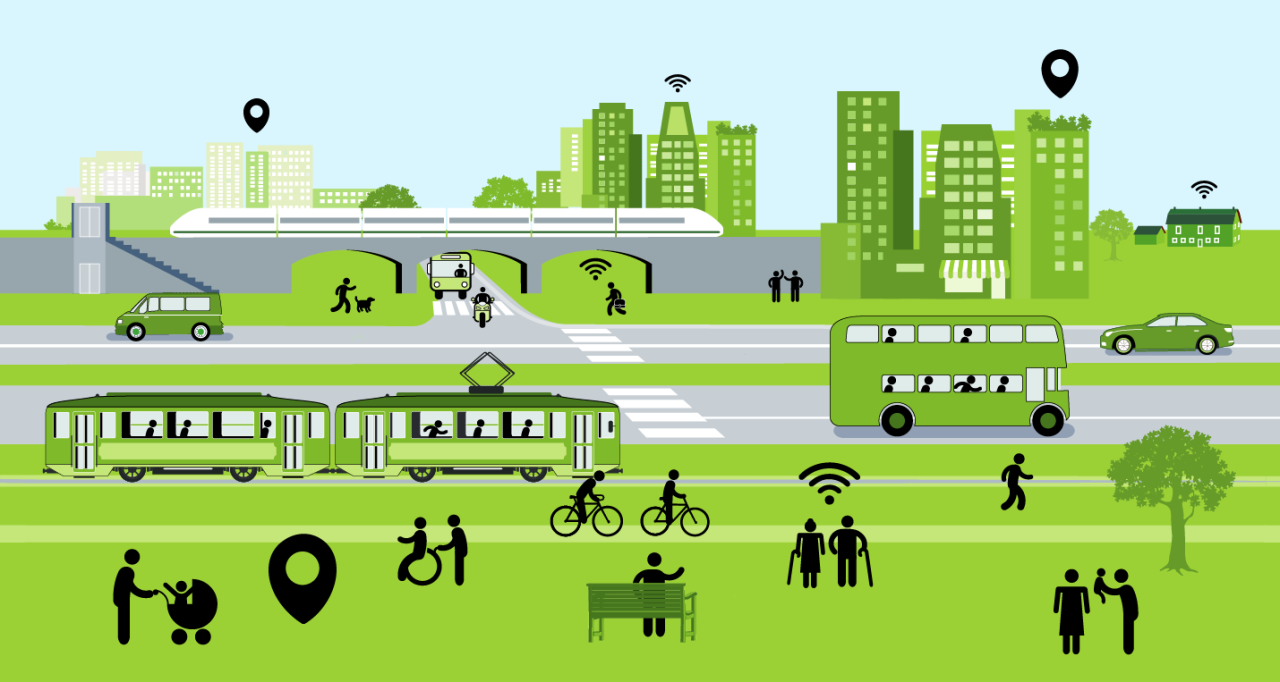
Technology alone is not a silver bullet. The future of urban mobility must also involve a fundamental redesign of our cityscapes to prioritize people over cars.
1. The 15-Minute City Concept: This urban planning model aims to create communities where residents can access most of their daily needs work, shopping, education, healthcare, and leisure within a 15-minute walk or bike ride from their homes. This drastically reduces the need for long-distance travel and fosters stronger, more resilient local communities.
2. Expansion of Micromobility and Active Transport: Cities are increasingly reclaiming space from cars to dedicate to bicycles and pedestrians. This includes building protected bike lanes, pedestrianizing city centers, and creating “superblocks” where through-traffic is restricted. This not only reduces emissions but also promotes public health and improves the overall quality of urban life.
3. Green Logistics and Last-Mile Delivery: The e-commerce boom has led to a surge in delivery vehicles. The future will see a rise in sustainable solutions like electric vans, cargo bikes for local deliveries, and autonomous robots or drones for specific applications, all integrated into a centralized urban logistics system to minimize congestion and pollution.
F. Challenges and Considerations on the Road to 2025
The transition to this new mobility era is not without significant obstacles that must be carefully navigated.
-
Digital Divide and Equity: Ensuring that MaaS and new mobility options are accessible and affordable to all socioeconomic groups, not just the affluent, is paramount. Solutions must include integrated payment systems for unbanked populations and services that extend to underserved neighborhoods.
-
Data Privacy and Security: MaaS platforms and connected vehicles collect vast amounts of personal data. Robust regulations and transparent policies are needed to protect user privacy and prevent misuse. Furthermore, securing these systems from cyberattacks is a critical safety issue.
-
Workforce Displacement and Retraining: The automation of driving will disrupt professions like trucking and taxi driving. Proactive policies for workforce retraining and social safety nets are essential to ensure a just transition for affected workers.
-
Grid Capacity and Raw Materials: Mass EV adoption will place new demands on the electrical grid, requiring significant upgrades. Additionally, the ethical sourcing of raw materials for batteries, such as lithium and cobalt, presents environmental and human rights challenges that the industry must address.
Conclusion: An Integrated, Sustainable, and Intelligent Future
The urban mobility of 2025 will not be defined by a single technology, but by the seamless integration of many. It is a future where your journey will be a carefully orchestrated symphony of electric, shared, and autonomous options, guided by intelligent systems and designed with both planetary and human well-being in mind. While challenges remain, the momentum is undeniable. The choices we make today in policy, investment, and urban design will determine whether we create congested, polluted cities of the past or vibrant, efficient, and sustainable cities of the future. The revolution is already rolling out, one electric vehicle, one smart sensor, and one bike lane at a time.