The urban landscape is on the cusp of a profound transformation. The distant hum of internal combustion engines is steadily being replaced by the near-silent whir of electric motors. We are witnessing the dawn of a new era in metropolitan mobility, and the year 2025 is poised to be a critical inflection point. The urban EV adoption surge is not a distant prediction; it is an unfolding reality. This comprehensive guide delves deep into the powerful catalysts driving this electric revolution, the tangible benefits for city dwellers, the remaining hurdles, and what the future of our city streets will look like as we embrace this seismic shift.
Understanding the 2025 Electric Vehicle Tipping Point
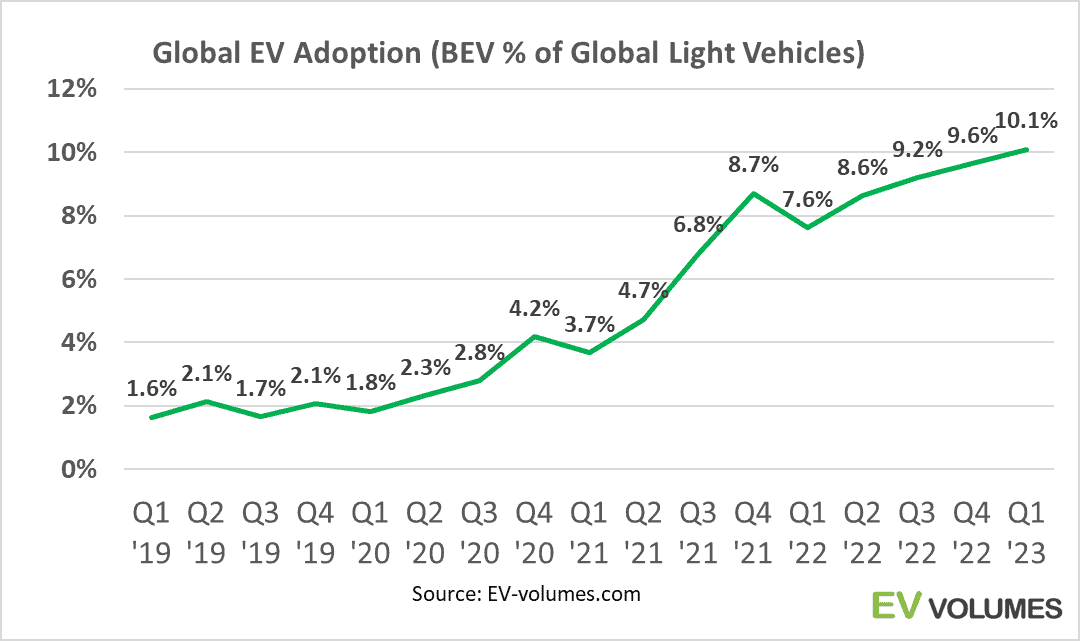
The transition to electric vehicles (EVs) has been building momentum for over a decade. However, 2025 is widely identified by industry analysts, urban planners, and economists as the tipping point where EV adoption moves from the early adopter phase into the early majority. This is not due to a single factor, but rather a powerful convergence of technological advancement, supportive policy, economic incentives, and shifting consumer attitudes. The stars are aligning to make electric vehicles the default choice for a growing number of urban residents, fundamentally reshaping how we think about transportation in densely populated areas.
The Primary Catalysts Fueling the Urban EV Surge
The rapid acceleration of EV adoption in cities is being driven by a multi-faceted engine of change. These factors work in synergy, each reinforcing the others to create an unstoppable momentum.
A. Stringent Government Regulations and Ambitious Policy Mandates
Worldwide, governments are implementing forceful policies to combat climate change and urban air pollution. Many major cities and countries have announced future bans on the sale of new gasoline and diesel vehicles, with deadlines often set for 2030 or 2035. This creates a direct, regulatory push towards electrification. Furthermore, low-emission zones (LEZs) and ultra-low emission zones (ULEZs), like those in London and Amsterdam, impose daily charges on high-polluting vehicles, making EV ownership a significant financial advantage for daily commuters.
B. Unprecedented Expansion of Charging Infrastructure
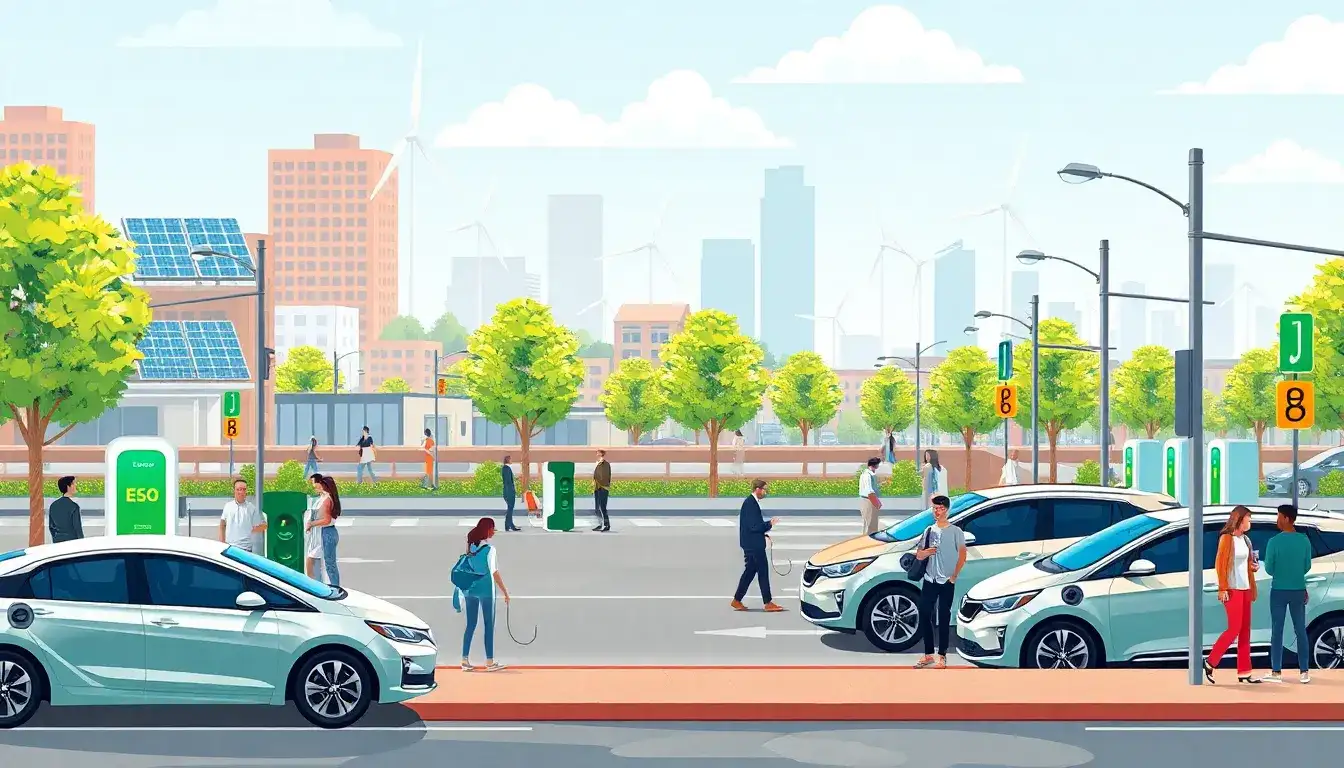
Range anxiety the fear of running out of battery power has historically been the biggest psychological barrier to EV adoption. This is being systematically dismantled in urban areas. Municipal governments are partnering with private companies to deploy public charging stations at an explosive rate. Charging points are now commonplace in public parking garages, retail centers, supermarkets, and even on street lamps. The focus is not just on quantity but also on quality, with a rapid rollout of DC fast-charging stations that can add significant range in under 30 minutes, making EV ownership feasible for those without private parking.
C. Dramatic Improvements in Battery Technology and Cost Reduction
The heart of any EV is its battery. Technological breakthroughs have led to batteries that offer longer ranges (consistently exceeding 250-300 miles on a single charge), faster charging times, and longer lifespans. Concurrently, the cost of lithium-ion batteries has plummeted over the past decade, driven by economies of scale and manufacturing innovations. This directly translates to more affordable EVs with superior performance, closing the price gap with their internal combustion engine (ICE) counterparts.
D. A Wave of Compelling and Diverse New EV Models
The early EV market was defined by a handful of models, often compact cars. The 2024-2025 period will see an avalanche of new electric vehicles entering the market from nearly every major automaker. This includes electric sedans, SUVs, pickup trucks, and even commercial vans. This massive expansion in choice means that consumers are no longer forced to compromise on size, style, or utility. They can find an EV that perfectly fits their lifestyle, removing a major obstacle to adoption.
E. Powerful Economic Incentives and Total Cost of Ownership Advantages
National and local governments offer substantial financial incentives to encourage EV purchases. These can include tax credits, rebates, grants, and significant reductions in vehicle registration fees. Beyond the initial purchase price, EVs boast a dramatically lower Total Cost of Ownership (TCO). Electricity is cheaper than gasoline per mile, and EVs have far fewer moving parts, leading to drastically reduced maintenance costs (no oil changes, spark plugs, or exhaust systems to repair). For cost-conscious urbanites, this long-term savings is a powerful motivator.
F. Growing Environmental Consciousness and Corporate Sustainability Goals
A societal shift towards environmental responsibility is influencing consumer behavior. Urban populations, often most affected by poor air quality, are increasingly making choices that reduce their carbon footprint. Driving an EV is a visible and impactful way to contribute to cleaner air and a healthier planet. Furthermore, corporations are fleets are electrifying their delivery and service vehicles as a core component of their Environmental, Social, and Governance (ESG) commitments, further accelerating adoption.
Tangible Benefits of Urban Electrification: Beyond the Hype
The move to electric vehicles is more than a technological trend; it delivers concrete, measurable benefits for cities and their inhabitants.
A. Significantly Improved Urban Air Quality and Public Health
Transportation is a leading source of local air pollutants like nitrogen oxides (NOx) and particulate matter (PM2.5) in cities. These pollutants are linked to a host of respiratory illnesses, cardiovascular problems, and premature deaths. EVs produce zero tailpipe emissions. A widespread shift to electric transportation will result in dramatically cleaner air, reducing the public health burden and associated healthcare costs, leading to a higher quality of life for all urban residents.
B. A Major Reduction in Noise Pollution
The noise from traffic is a constant, stressful backdrop to city life. EVs are significantly quieter than ICE vehicles, especially at low speeds. This reduction in noise pollution creates more peaceful and livable urban environments, making streets more pleasant for pedestrians, cyclists, and outdoor dining, and reducing noise-related stress.
C. Enhanced Energy Security and Grid Resilience
Shifting from imported oil to domestically generated electricity enhances a nation’s energy security. Moreover, with smart charging solutions and vehicle-to-grid (V2G) technology, EVs can act as a distributed network of mobile energy storage units. During periods of high demand, they can feed electricity back into the grid, helping to stabilize it and integrate more renewable energy sources like solar and wind.
Persisting Challenges and Strategic Solutions
Despite the powerful momentum, several challenges remain and require proactive solutions.
A. Upgrading the Electrical Grid to Manage Demand
A mass adoption of EVs will place new demands on the urban electrical grid. Without strategic upgrades and smart management, localized blackouts could occur during peak charging times. The solution lies in investing in grid modernization and promoting “smart charging.” This involves using software and incentives to encourage EV owners to charge their vehicles during off-peak hours (overnight) when electricity demand is low and supply is abundant.
B. Ensuring Equitable Access to Charging and Vehicles
There is a legitimate concern that the EV revolution could bypass low-income and multi-unit dwelling residents who lack access to private garages or dedicated parking spots with charging. Addressing this equity issue requires targeted public policy. This includes mandating EV-ready wiring in new apartment building developments, providing significant incentives for landlords to install chargers, and focusing public charging infrastructure deployment in underserved neighborhoods to ensure everyone can participate in the clean transportation future.
C. Sourcing Materials and Building a Circular Battery Economy
The production of EV batteries relies on critical minerals like lithium, cobalt, and nickel, the mining of which can have environmental and social impacts. The industry must focus on responsible sourcing, improving battery recycling rates, and developing a circular economy where battery materials are recovered and reused at the end of their life, minimizing the need for new mining and reducing the overall environmental footprint.
The 2025 Urban Landscape: A Glimpse into an Electrified Future

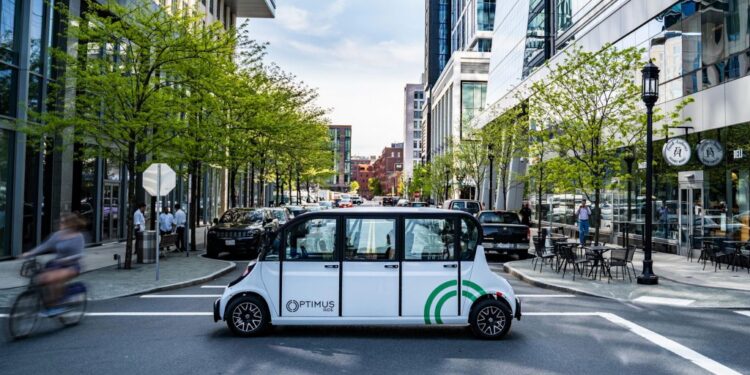
By 2025, the urban experience will be visibly different due to this EV surge. City centers will be noticeably quieter and cleaner. We will see a proliferation of curbside charging stations integrated into the urban fabric. Electric autonomous ride-sharing pods may begin to appear, complementing public transit. Delivery and logistics will be dominated by quiet, zero-emission vans and trucks, operating at all hours without disturbing residents. The very design of cities may begin to change, reclaiming space previously dedicated to gas stations and noisy roads for green spaces, bike lanes, and community areas.
Conclusion: An Inevitable and Welcome Transformation
The urban EV adoption surge of 2025 is not a speculative trend but an inevitable evolution driven by an unstoppable combination of technology, economics, and policy. While challenges around infrastructure equity and grid management persist, the solutions are actively being developed and deployed. The benefits—cleaner air, quieter streets, improved public health, and reduced carbon emissions are too significant to ignore. The electric urban future is bright, sustainable, and arriving faster than many anticipate. The revolution is not coming; it is already here, quietly humming its way into the heart of our cities.