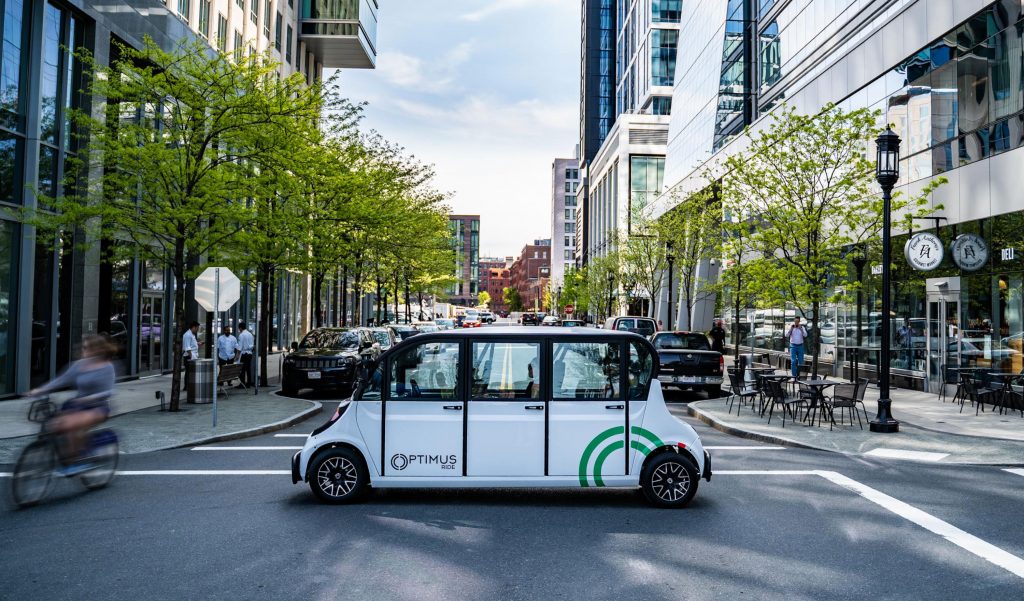
The urban landscape is on the cusp of a revolutionary transformation, one driven not by human hands but by sophisticated algorithms and sensors. The concept of the autonomous city ride is rapidly shifting from science fiction to an imminent reality, promising to redefine how we commute, work, and interact with our cities. This in-depth analysis explores the prevailing trends, profound implications, and complex challenges shaping the future of self-driving mobility within our metropolitan cores. We will dissect the technology behind the movement, the economic and environmental impacts, the evolving regulatory landscape, and what this all means for you, the urban dweller.
A. Deconstructing the Technology: The Brains Behind the Autonomous Vehicle
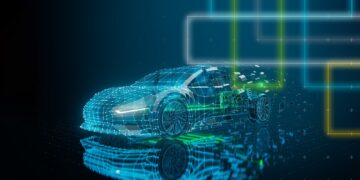
To understand the trends, one must first appreciate the incredible technology that makes autonomous city rides possible. These are not merely cars with advanced cruise control; they are complex robots on wheels.
A.1. The Sensor Suite: The Vehicle’s Eyes and Ears
An autonomous vehicle (AV) relies on a fusion of data from multiple sensors to perceive its environment with superhuman accuracy.
-
LiDAR (Light Detection and Ranging): This system emits millions of laser pulses per second to create a precise, high-resolution 3D map of the surroundings. It is crucial for detecting objects, pedestrians, and road geometry, especially in low-light conditions.
-
Radar (Radio Detection and Ranging): Radar sensors excel at measuring the speed and distance of objects, particularly in adverse weather conditions like heavy rain or fog where LiDAR and cameras may struggle.
-
Cameras: High-resolution cameras provide vital visual data, including color, texture, and reading road signs, traffic lights, and lane markings. Advanced neural networks process this imagery in real-time.
-
Ultrasonic Sensors: These are used for close-range tasks, such as parking assistance and detecting curbs.
A.2. Artificial Intelligence and Machine Learning: The Nervous System
The raw data from sensors is meaningless without intelligence. This is where AI and machine learning (ML) come in.
-
Neural Networks: These complex algorithms are trained on millions of miles of driving data. They learn to identify patterns, predict the behavior of other road users (like a cyclist about to swerve), and make thousands of micro-decisions every second.
-
HD Maps: AVs use highly detailed, constantly updated 3D maps that include information down to the centimeter. This allows the vehicle to know its exact position and anticipate upcoming features like a sharp bend or a hidden intersection.
A.3. Connectivity: V2X (Vehicle-to-Everything) Communication
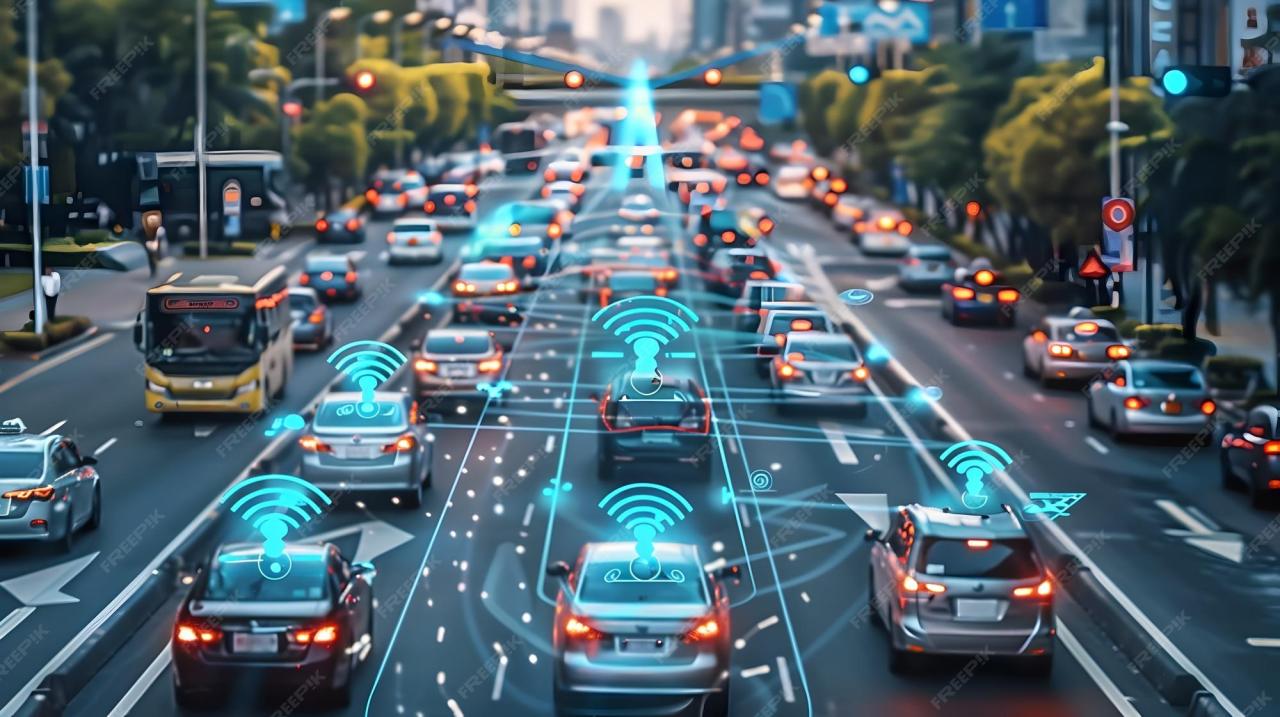
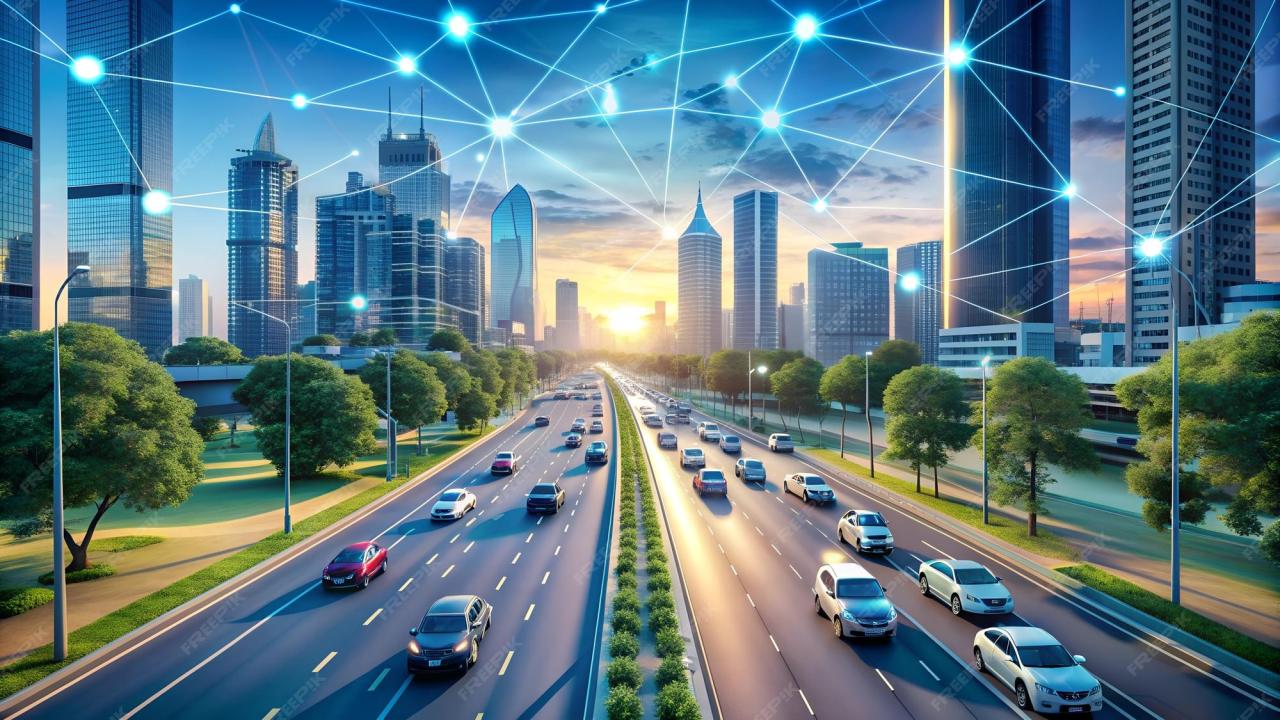
The next leap in autonomy involves connectivity. V2X technology allows vehicles to communicate with:
-
Other Vehicles (V2V): Sharing data on speed, location, and braking status to prevent collisions.
-
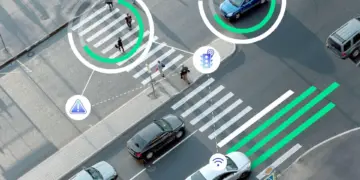
Infrastructure (V2I): Receiving information from traffic lights, road signs, and smart roads about signal timing, construction zones, or hazards.
-
Networks (V2N): Connecting to cloud-based services for real-time traffic updates, weather information, and fleet management.
B. Dominant Trends Reshaping Urban Autonomous Mobility
The development of AVs is not happening in a vacuum. Several key trends are defining its trajectory and integration into city life.
B.1. The Rise of Robotaxis and Shared Mobility
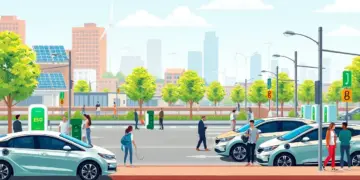
Most AV developers are focusing not on private ownership but on Robotaxi services autonomous ride-hailing fleets. Companies like Waymo, Cruise, and Zoox are pioneering this model. The trend is towards Mobility-as-a-Service (MaaS), where citizens subscribe to transportation needs rather than owning a car. This promises greater efficiency, as a single AV can serve multiple users throughout the day, reducing the number of vehicles idly parked on city streets.
B.2. The Micro-Mobility Integration
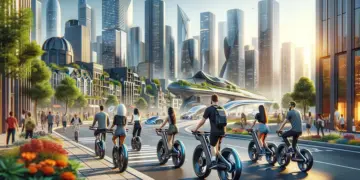
The future of urban transport is multi-modal. AVs are being designed to integrate seamlessly with other forms of transport. Imagine an AV dropping you off at a transit hub where you then take a light rail, or an autonomous van that carries several e-scooters and e-bikes to deploy in high-demand areas. This “first-mile, last-mile” solution is critical for creating a comprehensive and efficient urban transport network.
B.3. The Focus on Urban Freight and Logistics
While robotaxis capture headlines, one of the most immediate and impactful applications is in logistics. Autonomous delivery vehicles are already being tested for:
-
Last-Mile Delivery: Small, slow-moving AVs delivering packages and groceries, reducing delivery van congestion.
-
Hub-to-Hub Transport: Larger autonomous trucks moving goods between distribution centers on the urban periphery, reducing heavy traffic in residential areas.
B.4. Safety and Regulatory Evolution
A primary driver of AV development is the potential to drastically reduce accidents, over 90% of which are caused by human error. However, this requires an entirely new regulatory framework. Cities and governments are working to create safety standards, liability laws, and testing protocols. The trend is moving from cautious, small-scale testing towards broader deployment frameworks that prioritize public safety without stifling innovation.
B.5. The Subscription-Based Economic Model
The business model is evolving towards subscriptions. Users might pay a monthly fee for a certain number of autonomous rides, or for a bundle that includes AVs, e-scooters, and public transit passes. This model offers predictability for users and steady revenue streams for operators.
C. The Ripple Effect: Environmental and Urban Planning Impacts
The widespread adoption of autonomous city rides will have profound secondary effects on the very fabric of our urban environments.
C.1. A Greener Footprint?
The environmental impact is a double-edged sword. On one hand, most AV fleets are electric, producing zero tailpipe emissions. Their efficient driving patterns (smooth acceleration and braking) further reduce energy consumption. However, the convenience of AVs could induce more travel, increasing overall vehicle miles traveled (VMT) and potentially negating these gains. The net environmental benefit hinges on a commitment to electric powertrains and a shared, not privately owned, model.
C.2. The Reclaiming of Public Space
Today, a staggering amount of urban land is dedicated to parking. If shared AVs are constantly on the move, the demand for parking, especially in dense downtown areas, could plummet. This presents a monumental opportunity for urban planners. These vast spaces could be transformed into:
-
Pedestrian plazas and green parks
-
Dedicated bike lanes and wider sidewalks
-
Affordable housing and commercial spaces
Cities could become more livable, less noisy, and more focused on people than on storing vehicles.
C.3. Redefining Urban Design and Zoning
With commute times becoming productive or leisurely (as passengers are freed from driving), people may be willing to live further from city centers. This could alter housing markets and urban sprawl patterns. Conversely, it could also reduce the need for wide roads and large home garages, leading to denser, more walkable community designs.
D. Navigating the Roadblocks: Critical Challenges to Overcome
For all its promise, the path to a fully autonomous urban future is fraught with significant hurdles.
D.1. The “Edge Case” Conundrum
While AVs handle routine driving well, they still struggle with unpredictable “edge cases” rare and complex scenarios like a ball rolling into the street followed by a child, or navigating a construction zone with a confused flagger. Solving these requires immense advances in AI and vast amounts of real-world data.
D.2. The Cybersecurity Threat
A connected vehicle is a hackable vehicle. A malicious cyber-attack on a fleet of AVs could cause unprecedented chaos and danger. Developing robust, unhackable security systems is not an optional feature; it is an absolute prerequisite for public safety and trust.
D.3. The Ethical and Liability Labyrinth
The infamous “trolley problem” highlights ethical dilemmas. How should an AV’s AI prioritize lives in an unavoidable accident? More practically, determining liability in a crash is it the manufacturer, the software developer, the owner, or the passenger? requires new legal frameworks that are still in their infancy.
D.4. The Social and Economic Disruption
The adoption of AVs will disrupt entire industries, most notably professional drivers of taxis, trucks, and delivery vehicles. Preparing for this workforce transition through retraining and social safety nets is a critical societal challenge that must be addressed proactively.
D.5. The Cost of Technological Infrastructure
The V2X vision requires cities to invest billions in smart infrastructure: connected traffic lights, dedicated communication networks, and updated roadways. This financial burden, and the question of who pays for it, remains a major barrier to large-scale implementation.
E. The Human Experience: What to Expect as a Passenger
The user experience inside an autonomous city ride will be fundamentally different.
-
Interior Design: Interiors will be reimagined as living rooms or mobile offices. Expect swiveling seats, interactive screens, and workspaces, prioritizing comfort and productivity over the driving experience.
-
Accessibility: This technology promises unprecedented mobility freedom for the elderly and people with disabilities, offering them safe and reliable transportation.
-
Trust and Adoption: Widespread public acceptance will take time. Initial rides will likely feel novel and perhaps unnerving. Transparency about how the technology works and a flawless safety record are key to building lasting trust.
Conclusion: A Collaborative Journey Towards a Smarter City
The trend towards autonomous city rides is not merely about replacing the driver. It is a systemic shift towards a more efficient, safe, and sustainable urban ecosystem. Realizing this future requires a collaborative effort among tech companies, automakers, urban planners, policymakers, and the public. The road ahead is long and complex, but the destination a city where transportation is seamless, safe, and accessible to all is a vision worth navigating carefully. The autonomous revolution is not coming; it is already merging onto the urban highway, and it’s time we all understood our place in it.