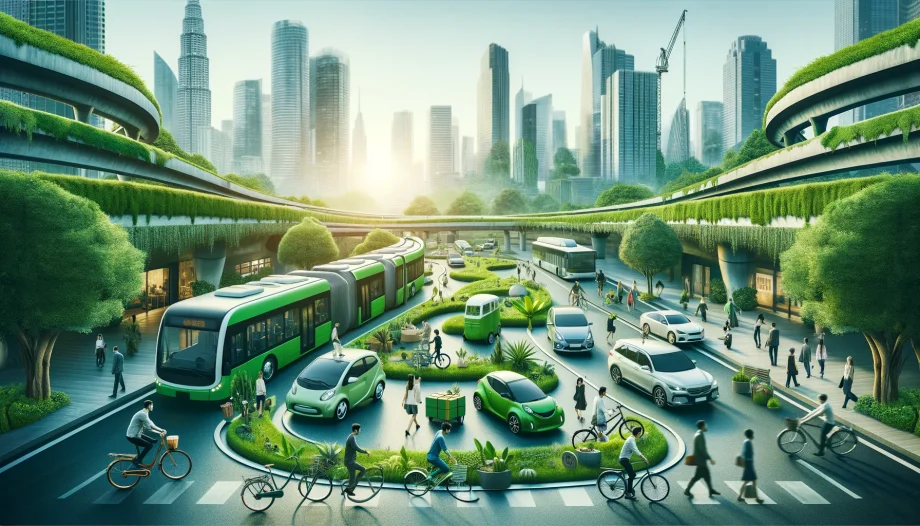
In the heart of our bustling, ever-expanding urban landscapes, a quiet revolution is taking place. The familiar hum of the internal combustion engine is gradually being replaced by the near-silent whir of electric motors and the sophisticated whir of cutting-edge technology. The quest for sustainable living has firmly planted its flag in the automotive industry, giving rise to a new generation of eco-friendly city cars. These vehicles are no longer just about reducing emissions; they represent a holistic reimagining of urban mobility, integrating advanced power trains, smart materials, and intelligent connectivity to create a harmonious relationship between the city and the car. This deep dive explores the groundbreaking innovations that are making our urban commutes cleaner, smarter, and more efficient than ever before.
The Critical Imperative for Green Urban Transportation
Before delving into the technologies themselves, it is essential to understand the “why.” The shift towards eco-friendly city cars is not merely a trend; it is a necessary response to pressing global challenges.
A. Environmental Pressures: Urban areas are significant contributors to global carbon emissions and air pollution, with traditional vehicles being a primary culprit. Issues like smog, nitrogen oxides (NOx), and particulate matter (PM2.5) have dire consequences for public health and the environment. Eco-city cars directly combat this by offering zero-tailpipe-emission solutions.
B. Economic Factors: The volatility of fossil fuel prices places a considerable financial burden on commuters. Electricity, especially from renewable sources, offers a more stable and cost-effective energy alternative for transportation. Furthermore, governments worldwide are incentivizing this shift through tax breaks, subsidies, and grants for electric vehicle (EV) purchasers.
C. Urban Planning and Congestion: Cities are becoming denser, and traffic congestion is a massive drain on productivity and quality of life. The very design of modern eco-city cars often smaller, more maneuverable, and perfect for short trips aligns perfectly with the needs of modern metroplexes, making them ideal for navigating tight streets and finding parking.
A. Electrification: The Heart of the Modern City Car
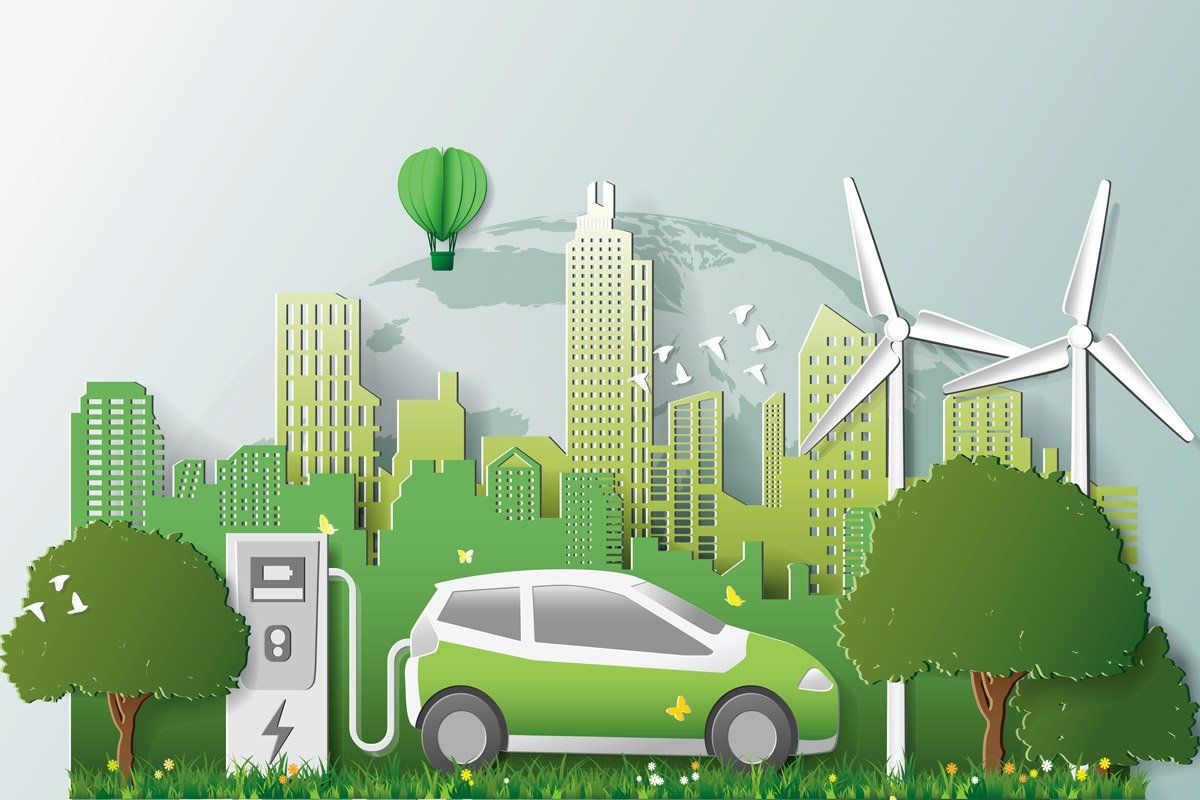
The most significant leap in automotive technology in a century is undoubtedly the move from fossil fuels to electricity. This transition is the cornerstone of the eco-city car movement.
1. Battery Electric Vehicles (BEVs): The Zero-Emission Standard
BEVs are purely electric vehicles powered entirely by a large battery pack and an electric motor. They produce no tailpipe emissions, making them the gold standard for urban air quality. Innovations here are rapid and focused on alleviating “range anxiety.”
-
Advanced Lithium-Ion Chemistry: Moving beyond standard formulations, we now see the proliferation of Lithium Iron Phosphate (LFP) batteries, which are cheaper, longer-lasting, and safer, and Nickel Manganese Cobalt (NMC) batteries, which offer higher energy density for longer range.
-
Solid-State Batteries (The Next Frontier): Touted as the game-changer, solid-state batteries replace the liquid electrolyte with a solid one. They promise nearly double the energy density of current batteries, drastically faster charging times (minutes instead of hours), enhanced safety, and a longer lifespan. While still in development, they represent the future of EV technology.
-
Regenerative Braking Systems: This ingenious technology captures the kinetic energy typically lost as heat during braking and converts it back into electricity, topping up the battery. In stop-and-go city traffic, this significantly extends the vehicle’s range and reduces brake wear.
2. Hybrid Electric Vehicles (HEVs) and Plug-In Hybrids (PHEVs): The Transitional Bridge
For those not ready to go fully electric, hybrids offer a compelling middle ground.
-
HEVs: Combine a traditional engine with an electric motor and a small battery, which is charged through regenerative braking. They are highly efficient in city driving, often operating on electric power at low speeds.
-
PHEVs: Feature a larger battery that can be plugged in to charge. They offer a substantial all-electric range (typically 20-50 miles) perfect for daily commutes while retaining a gasoline engine for longer trips, eliminating range anxiety entirely.
B. Lightweight and Sustainable Material Innovation
To maximize the efficiency of every kilowatt-hour of electricity, engineers are relentlessly focused on reducing vehicle weight. This has led to a materials science revolution.
A. Advanced High-Strength Steel (AHSS) and Aluminum Alloys: These materials allow manufacturers to create vehicle frames and body panels that are significantly lighter yet stronger and safer than those made from traditional steel.
B. Carbon Fiber Reinforced Polymer (CFRP): Once reserved for supercars, carbon fiber is trickling down into premium eco-city cars. It is exceptionally strong and light, but costs are still a barrier to mass adoption.
C. Bio-Based and Recycled Materials: This is where sustainability meets the interior. Designers are increasingly using:
-
Recycled Plastics: For components like dashboards, door panels, and air ducts, sourced from bottles and other post-consumer waste.
-
Vegan Interiors: Replacing leather with high-quality, durable materials like PU leather and innovative fabrics from recycled polyester or even pineapple leaves (Piñatex) and mushroom mycelium.
-
Natural Fibers: Components are being made from compressed organic materials like flax, hemp, and kenaf, which are renewable, lightweight, and have excellent acoustic absorption properties.
C. Aerodynamic Efficiency: Slicing Through the Air
Reducing aerodynamic drag is crucial for improving range and efficiency, especially at higher city speeds.
A. Streamlined Body Design: Modern eco-cars feature sleek, wind-cheating profiles with smooth underbody panels to minimize turbulence.
B. Active Aerodynamics: Some vehicles employ advanced systems like:
-
Active Grille Shutters: These automatically open to allow engine cooling when needed and close to smooth airflow over the front of the vehicle when cooling is not a priority.
-
Adjustable Spoilers: These can change their angle to optimize downforce and reduce drag at different speeds.
D. Connected and Autonomous Driving Technologies
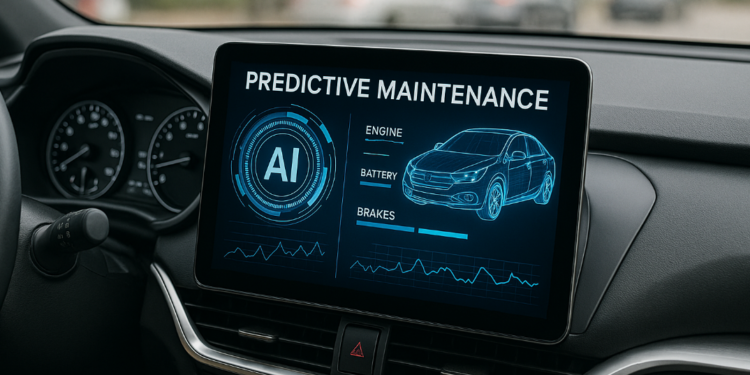
The eco-city car of today is a rolling computer, using data and connectivity to optimize efficiency and safety.
A. Smart Energy Management Systems: These systems use GPS and map data to pre-condition the battery for optimal temperature before reaching a charging station, plan the most efficient route considering elevation changes and traffic, and even advise on the most economical driving speed.
B. Vehicle-to-Everything (V2X) Communication: This emerging technology allows cars to communicate with other vehicles (V2V), infrastructure like traffic lights (V2I), and the electrical grid (V2G). V2G, in particular, is revolutionary, allowing your parked EV to send excess energy back to the grid during peak demand, effectively turning a fleet of city cars into a massive, distributed energy storage network.
C. Autonomous Driving (ADAS): Features like adaptive cruise control, traffic jam assist, and predictive coasting use sensors and cameras to drive more smoothly and efficiently than a human ever could, avoiding unnecessary acceleration and braking, which wastes energy.
E. The Supporting Ecosystem: Charging and Infrastructure
An eco-car is only as green as the infrastructure that supports it. Innovation is booming in this critical area.
A. Ultra-Fast Charging Networks: The deployment of 150kW+ DC fast chargers is expanding rapidly, enabling drivers to add hundreds of miles of range in under 20 minutes, making EV ownership practical for those without home charging.
B. Wireless Inductive Charging: Imagine simply parking over a charging pad embedded in your garage floor or a parking space, and your car charges without any cables. This technology is in its early stages but promises ultimate convenience.
C. Smart Charging and Energy Integration: Smart chargers can schedule charging during off-peak hours when electricity is cheapest and greenest. Integrated with home solar panels, you can effectively power your daily commute with sunlight.
The Future Horizon: What’s Next for Eco-City Cars?
The innovation cycle shows no signs of slowing. The next decade will likely bring us:
-
Solar Body Panels: Integrated, high-efficiency solar cells on the roof and hood could provide a meaningful trickle charge, adding several miles of range per day from the sun alone.
-
Modular and Swappable Batteries: Instead of charging, you could drive into a station and have your depleted battery swapped for a fully charged one in minutes, though this model faces significant standardization challenges.
-
Circular Economy Manufacturing: A full commitment to designing cars for disassembly, where every component and material can be easily recycled or reused at the end of the vehicle’s life, truly closing the loop.
Conclusion: A Smart, Sustainable Choice for Modern Life
The evolution of the eco-friendly city car is a testament to human ingenuity in the face of environmental and logistical challenges. These vehicles have transcended their role as mere appliances for transportation to become sophisticated, connected, and responsible partners in urban life. By embracing a combination of electrification, smart materials, aerodynamic design, and digital connectivity, they offer a practical, efficient, and enjoyable solution for the conscious urban dweller. Investing in an eco-city car is no longer just a purchase; it is a vote for a cleaner, quieter, and more sustainable future for our cities, one journey at a time.