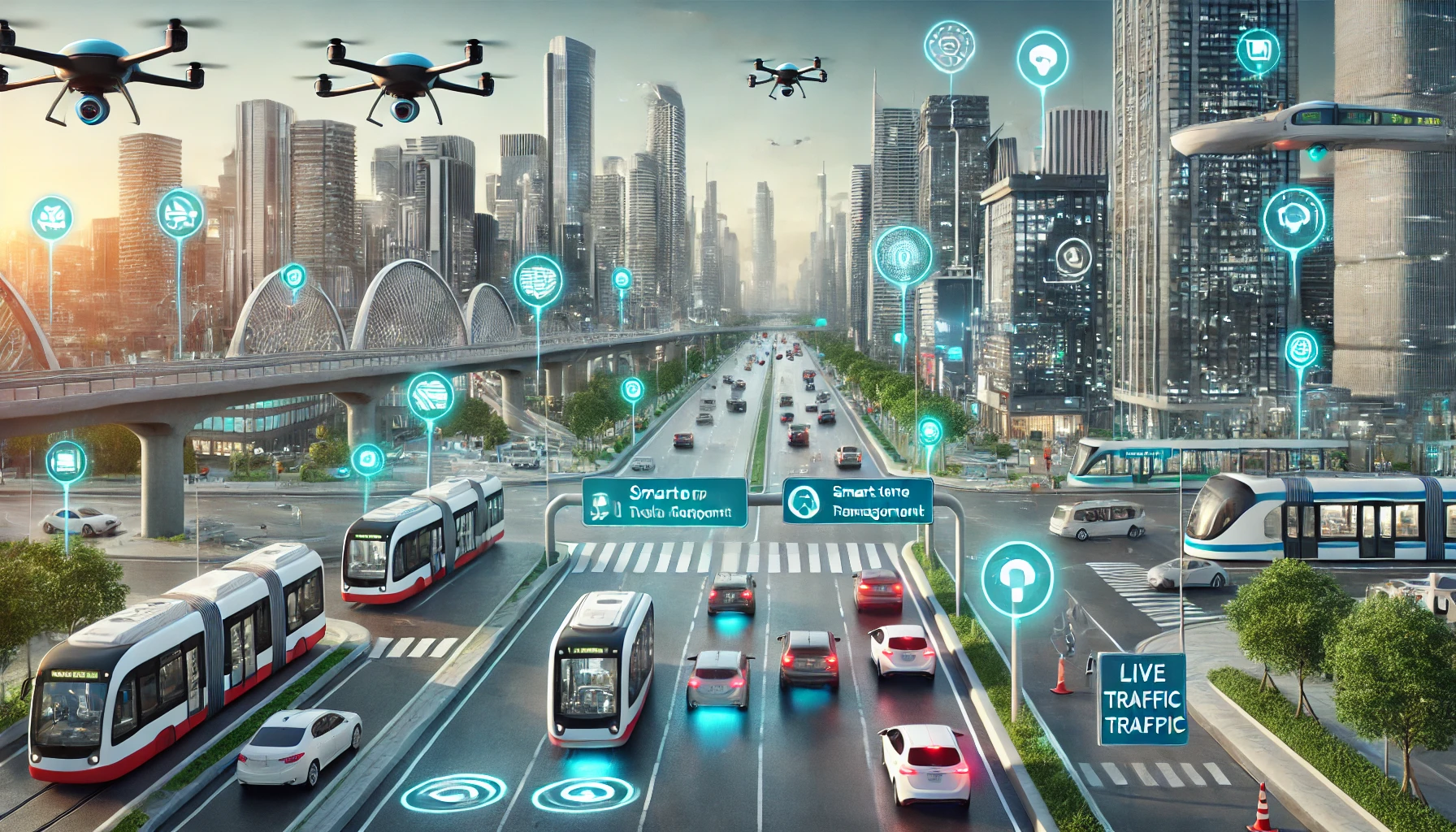
Urban congestion is a global crisis. It strangles economic productivity, pollutes the air we breathe, and transforms daily commutes into sources of immense stress. Traditional solutions wider roads, more overpasses, complex signage have reached their limits, often exacerbating the problems they aim to solve. But a new dawn is breaking. A powerful convergence of technology, data science, and innovative urban policy is giving rise to a suite of next-generation traffic solutions. These are not mere incremental improvements; they represent a fundamental reimagining of how people and goods move through our urban environments. This definitive guide explores the cutting-edge technologies and strategies that are poised to decongest our cities, making them smarter, safer, and more sustainable for everyone.
Introduction: The Limitations of 20th-Century Traffic Management
For decades, city traffic was managed with a analog mindset. Static traffic lights ran on pre-programmed timers, oblivious to real-time flow. Road signs were physical objects, unable to warn drivers of changing conditions. Traffic enforcement was reactive, and data collection was minimal. This one-size-fits-all approach is hopelessly inadequate for the dynamic, complex nature of 21st-century urban mobility. The new paradigm is digital, connected, and intelligent. It treats a city’s transportation network as a living, breathing system that can be sensed, understood, and optimized in real-time. This shift is powered by the Internet of Things (IoT), Artificial Intelligence (AI), and a commitment to data-driven decision-making, moving us from traffic management to traffic orchestration.
A. The Intelligent Core: AI-Powered Traffic Management Systems
At the heart of next-gen solutions are platforms that can process vast amounts of data and make intelligent decisions. These are no longer simple control systems; they are the “city brain” for mobility.
1. Real-Time Adaptive Signal Control: Unlike traditional timed lights, adaptive signals use a network of sensors cameras, radar, inductive loops embedded in the pavement to monitor vehicle and pedestrian traffic in real time. Sophisticated AI algorithms analyze this data and dynamically adjust the timing of red, yellow, and green lights to respond to actual traffic conditions. This minimizes idle time, clears backlogs faster, and can reduce average travel time by over 20%.
2. Predictive Analytics for Proactive Management: Advanced systems don’t just react; they predict. By analyzing historical traffic patterns, real-time data, and integrating with event calendars (concerts, sports games), AI can forecast congestion before it happens. This allows traffic managers to preemptively adjust signal patterns, deploy resources, and send alerts to navigation apps, mitigating gridlock at its source.
3. Centralized Traffic Control Centers: These are the mission control hubs where data converges. Large video walls display real-time traffic flow across the entire city, powered by GPS data from vehicles and sensors. Operators can monitor incidents, manage signal networks, and coordinate responses with emergency services, tow trucks, and public transit agencies from a single, integrated location.
B. The Connected Ecosystem: Vehicle-to-Everything (V2X) Communication
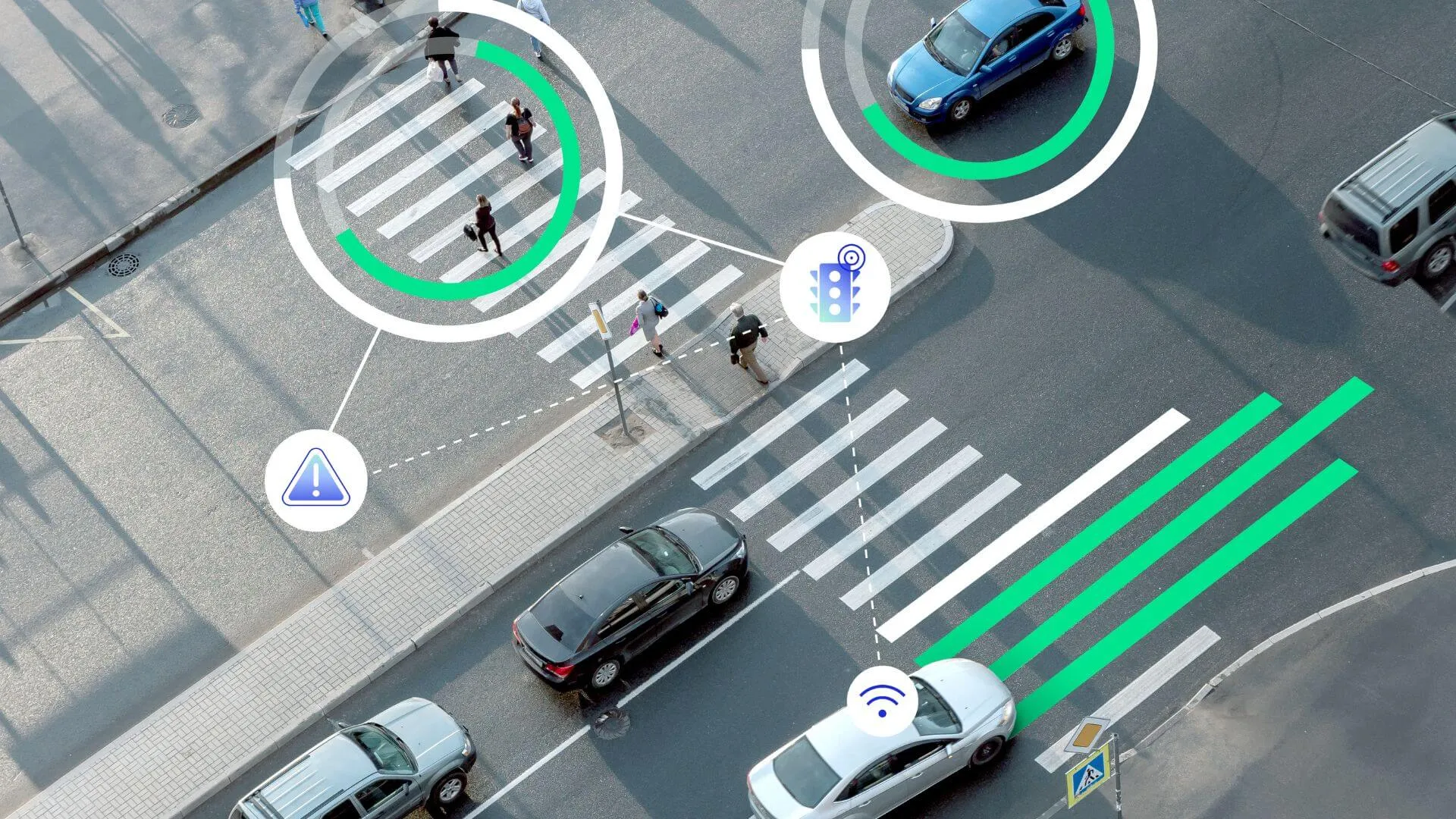
Technology within the city infrastructure is only half the equation. The true revolution begins when the infrastructure starts talking to the vehicles, and the vehicles talk to each other.
1. Vehicle-to-Infrastructure (V2I): This technology enables cars to receive data from traffic signals, streetlights, and signs. A traffic light can communicate its phase and timing to an approaching vehicle. This allows the car’s system (or the driver) to advise an optimal speed to catch a “green wave,” eliminating unnecessary stops and starts, which are a major cause of congestion and fuel waste.
2. Vehicle-to-Vehicle (V2V): Cars form an ad-hoc network, continuously exchanging information about their speed, position, direction, and braking status. This enables cooperative adaptive cruise control, where platoons of cars can travel closely together safely, dramatically increasing road capacity. More importantly, it provides 360-degree awareness, warning drivers of hazards beyond their line of sight, such as a car braking hard several vehicles ahead.
3. Vehicle-to-Network (V2N) and 5G: The high bandwidth and ultra-low latency of 5G cellular networks are the essential glue for V2X. They enable the instantaneous transmission of massive data sets between vehicles, infrastructure, and the cloud, making real-time communication and coordination not just possible, but reliable and secure.
C. Smart Mobility and Demand Management Strategies
Technology alone cannot solve congestion; it must be paired with strategies that influence how and when people choose to travel.
1. Dynamic Lane Management and Smart Signage: Static lanes are giving way to dynamic ones. Overhead digital signs can change lane directions based on rush hour flows (tidal flow systems), designate lanes for high-occupancy vehicles (HOV), or create instant bus lanes during peak times. Variable speed limits that change based on congestion, weather, and accidents help smooth traffic flow and prevent shockwave traffic jams.
2. Congestion Pricing and Incentives: This economic strategy charges vehicles a fee for entering a congested city center during peak hours. Powered by automatic number plate recognition (ANPR) cameras, it incentivizes drivers to shift their travel to off-peak times, use public transit, or carpool. Revenue generated is directly reinvested into public transportation and road improvements. Modern systems can be dynamic, with prices adjusting in real-time based on congestion levels.
3. Integrated Mobility-as-a-Service (MaaS) Platforms: MaaS is a paradigm shift away from car ownership. Through a single smartphone app, users can plan, book, and pay for a seamless multi-modal journey. The app might combine a ride-sharing service to the train station, a train ride, and then a e-scooter for the “last mile” to the destination. By making public and shared transport more convenient than a private car, MaaS has the potential to significantly reduce the number of vehicles on the road.
D. Sustainable and Active Transport Integration
A truly smart city prioritizes efficient movement of people, not just cars. This means creating safe and attractive alternatives to single-occupancy vehicle travel.
1. Prioritizing Public Transit: Smart traffic systems can give priority to public transit vehicles. Traffic signals can detect an approaching bus or streetcar and extend a green light or shorten a red light to keep it on schedule. This makes public transit more reliable and faster, encouraging greater ridership.
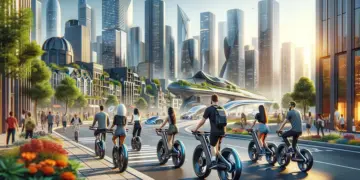
2. Infrastructure for Micromobility and Pedestrians: Dedicated and protected lanes for bicycles, e-scooters, and other micromobility devices are essential for safety and encouraging adoption. Smart pedestrian crossings use sensors to detect people waiting and can extend crossing times for elderly or disabled individuals. These measures make active transport a viable and safe option for more trips, taking short-distance car trips off the road.
3. Smart Parking Solutions: A staggering percentage of urban traffic consists of drivers circling blocks searching for parking. Smart parking solutions use in-ground sensors or cameras to detect empty parking spots in real-time. This information is relayed to drivers via mobile apps or dynamic roadside signs, directing them instantly to available spaces, drastically reducing search time and associated congestion.
E. Overcoming Implementation Challenges and The Road Ahead

The path to deploying these solutions is complex and requires careful navigation of several significant hurdles.
1. Significant Infrastructure Investment and Funding: Retrofitting a city with sensors, smart signals, and communication modules requires substantial upfront capital. Cities must explore public-private partnerships, grants, and innovative funding models like congestion pricing revenue to finance these transformations.
2. Cybersecurity and Data Privacy: A connected transportation system is a potential target for cyberattacks. Protecting traffic control systems from hacking is a matter of public safety. Furthermore, the collection of vast amounts of data from vehicles and citizens raises critical privacy concerns that must be addressed through transparent policies and robust data anonymization techniques.
3. Standardization and Interoperability: For V2X to work, all vehicles and all city infrastructure must speak the same digital language. Global agreement on communication protocols and standards is essential to avoid a fragmented and ineffective system.
4. Public Acceptance and Behavioral Change: The success of strategies like congestion pricing and a shift away from car ownership depends on public buy-in. Cities must engage in clear communication, demonstrate the benefits, and ensure that alternatives are accessible, affordable, and reliable for all citizens.
Conclusion: Towards Frictionless Urban Mobility
The next generation of city traffic solutions offers a clear vision: urban mobility that is not a source of frustration but a seamless, efficient, and integrated experience. By harnessing the power of AI, connectivity, and data, we can move beyond simply managing congestion to actively preventing it. The goal is to create cities where time is not wasted in traffic, where the air is cleaner, and where the streets are safer for everyone whether they are in a car, on a bus, on a bike, or on foot. This transformation is a complex journey requiring collaboration between governments, tech companies, and citizens, but the destination a truly smart and livable city is undoubtedly worth the effort.