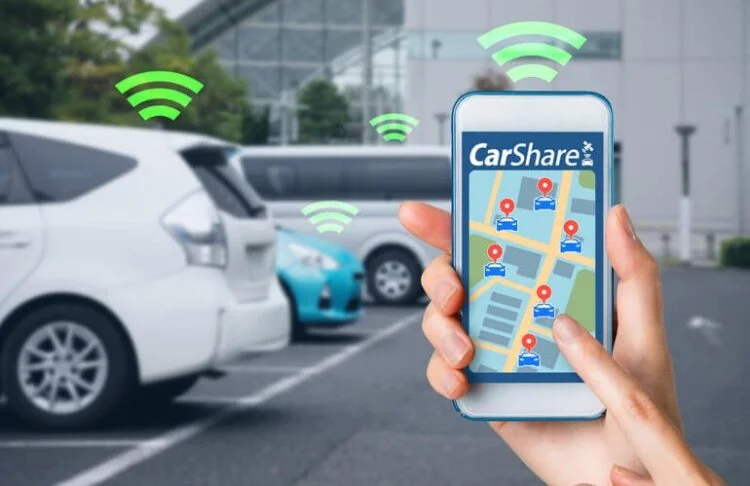
In an era defined by the digital economy and a cultural shift towards access over ownership, car sharing has emerged as a powerhouse of modern transportation. This isn’t just a trendy alternative to traditional car rentals; it’s a multi-billion dollar industry reshaping how we think about personal mobility. For vehicle owners and savvy entrepreneurs alike, the question is no longer if car sharing is viable, but which car sharing platforms are the most profitable and how to maximize earnings within this competitive landscape.
This comprehensive guide delves deep into the mechanics of profitable car sharing. We will move beyond simple lists to analyze the business models, uncover the strategies that drive high revenue, and provide a actionable blueprint for success, whether you’re renting out your own car or building a fleet.
Understanding the Car Sharing Economy: More Than Just Renting a Car
At its core, car sharing is a peer-to-peer (P2P) or business-to-peer (B2P) model that allows individuals to rent vehicles for short periods, often by the hour or day. This ecosystem is fueled by several powerful societal trends:
-
Urbanization: City dwellers often find car ownership expensive and unnecessary due to parking costs, insurance, and excellent public transit.
-
Sustainability: Many consumers are actively seeking to reduce their carbon footprint, viewing shared vehicles as a more environmentally responsible choice than individual ownership.
-
The Rise of the Gig Economy: People are increasingly comfortable monetizing their underutilized assets, from spare rooms (Airbnb) to their personal vehicles.
-
Digital Convenience: Smartphone apps make the process of booking, unlocking, and paying for a vehicle seamless and instantaneous.
The profitability of a car sharing platform, both for the company and the host, hinges on its underlying business model.
A. Deconstructing Profitable Car Sharing Business Models
Not all car sharing platforms are created equal. Their approach to ownership, management, and revenue generation directly impacts your potential earnings.
A. Peer-to-Peer (P2P) Model
This is the foundational model of the sharing economy. Platforms like Turo and Getaround connect private car owners with people in their local area who need a vehicle.
-
How it Works: Owners list their cars, set their own availability and prices. Renters browse available cars, book through the app, and often use a contactless method to unlock the vehicle.
-
Profitability for Owners: High income potential, especially for desirable, fuel-efficient, or unique vehicles. Owners have control over pricing but are also responsible for maintenance, cleaning, and logistics like key exchange.
-
Platform Role: The P2P platform acts as a marketplace facilitator, providing insurance, payment processing, and a trusted environment. They earn money by taking a commission from each booking (typically 15-40%).
B. Fleet-Based or Free-Floating Model
This is a B2C model operated by large companies like Zipcar, SHARE NOW, or Free2Move.
-
How it Works: The company owns a dedicated fleet of vehicles parked in designated zones or scattered throughout a city (free-floating). Users can locate and rent a car via an app and are charged by the minute, hour, or day.
-
Profitability for Individuals: This model does not allow individuals to list their personal cars. Profitability is for the corporation itself, which relies on high utilization rates of its fleet to cover the massive capital and operational costs.
-
Platform Role: The company manages everything purchasing, insurance, maintenance, cleaning, and parking. Revenue comes directly from rental fees paid by users.
C. Subscription-Based Model
Services like AAA’s GIG or Porsche Drive operate on a monthly membership model.
-
How it Works: Users pay a flat monthly fee that grants them access to a fleet of vehicles. This fee often includes insurance, maintenance, and a certain number of miles. It’s akin to a flexible, short-term lease.
-
Profitability: This model appeals to frequent users who want predictability in their transportation costs. For the operator, it provides a steady, recurring revenue stream, which is highly valuable.
D. Station-Based vs. Free-Floating Models
This is a operational distinction that can apply to both P2P and B2C models.
-
Station-Based: Vehicles must be picked up and returned to a specific, designated location (e.g., a parking lot at the airport or a train station). This offers more control for the operator but less convenience for the user.
-
Free-Floating: Vehicles can be picked up and dropped off anywhere within a defined “home area.” This offers maximum user convenience but creates logistical challenges for the operator in terms of vehicle distribution and maintenance.
For most individuals looking to generate income, the P2P model presents the clearest and most accessible path to profitability.
B. The Top Contenders: Analyzing High-Earning Platforms

While many platforms exist, a few have established dominant market positions and proven revenue models.
1. Turo: The “Airbnb for Cars”
Turo is the largest P2P car-sharing platform in North America, boasting a vast user base and brand recognition.
-
Revenue Model: Hosts set their own daily price. Turo offers various protection plans for hosts (ranging from 75%, 85%, or 90% of the trip price) which correlate with the deductible the host is responsible for in case of damage. A higher host fee means a lower (even $0) deductible.
-
Profitability Drivers:
-
All-Star Host Status: Achieving this status by maintaining high ratings, a high acceptance rate, and a quick response time boosts your listing’s visibility in search results.
-
Delivery Options: Offering to deliver the car to a renter’s home, airport, or hotel can command a significant premium fee.
-
Unique Vehicles: A standard sedan gets rented, but a convertible, a luxury SUV, or a vintage classic can command much higher daily rates.
-
2. Getaround: The Technology Pioneer
Getaround differentiates itself with its proprietary “Connect” technology, a hardware device installed in the car that enables renters to unlock the car directly through the app.
-
Revenue Model: Getaround uses a dynamic pricing algorithm that suggests prices to owners based on demand, location, and vehicle type. They take a fixed commission from each booking.
-
Profitability Drivers:
-
Contactless Experience: The 24/7, keyless access is a major convenience factor that attracts more bookings, especially for instant rentals.
-
Higher Utilization: The ease of access encourages shorter, more frequent trips, potentially increasing the car’s overall utilization rate.
-
Insurance Included: Getaround’s insurance policy is built into every rental, simplifying the process for the host.
-
3. HyreCar: The Niche for Ridesharing
HyreCar serves a very specific and profitable niche: it connects car owners with drivers who need a vehicle to work for ridesharing services like Uber and Lyft.
-
Revenue Model: Owners list their cars, and approved rideshare drivers rent them typically on a weekly or monthly basis.
-
Profitability Drivers:
-
Long-Term Rentals: Weekly and monthly rentals provide a stable, predictable income stream without the daily management of multiple short-term trips.
-
High Demand: There is a constant demand from rideshare drivers who need a qualified, compliant vehicle but cannot afford to own one.
-
Simplified Management: With longer rental periods, the owner deals with far fewer handoffs.
-
C. Advanced Strategies to Maximize Your Car Sharing Revenue

Simply listing a car is not enough. Treating your vehicle as a true business asset is key to maximizing returns.
A. Strategic Vehicle Selection and Preparation
Your car is your product. Choose and present it wisely.
-
Choose High-Demand Vehicles: Fuel-efficient compact cars (Toyota Corolla, Honda Civic) are always in demand for city errands. For airport travel, midsize SUVs (Honda CR-V, Toyota RAV4) that fit families and luggage are popular. In sunny locales, convertibles command a premium.
-
Maintain Impeccable Cleanliness: A spotless interior and exterior are non-negotiable. This is the number one factor in receiving positive reviews, which directly impacts your ranking and future bookings.
-
Invest in Quality Photography: Use a professional camera or a modern smartphone to take bright, clear photos from every angle interior, exterior, trunk, dashboard, and any special features. This builds trust and appeal.
B. Dynamic and Strategic Pricing
Don’t set a price and forget it. Be dynamic.
-
Adjust for Demand: Significantly increase your prices during local events, holidays, weekends, and peak tourist seasons.
-
Utilize Platform Tools: Use Turo’s “Smart Pricing” or Getaround’s price suggestions as a baseline, but don’t be afraid to manually override them for high-demand periods.
-
Offer Competitive Introductory Pricing: When you’re new, consider pricing your car slightly below market average to attract your first few bookings and build those crucial 5-star reviews.
C. Optimizing Your Listing for Search Engines (SEO)
Your listing title and description are vital for visibility both on the platform and in Google search results.
-
Keyword-Rich Title: Instead of “My Car for Rent,” use “2025 Toyota RAV4 – Perfect for Families & Airport Travel.” Include the year, make, model, and key use cases.
-
Detailed Description: Elaborate on the features: “This comfortable SUV features Apple CarPlay, Android Auto, a backup camera, and ample trunk space for all your luggage. Ideal for your family vacation or a business trip. Located just 15 minutes from the airport with delivery available.”
-
Highlight Unique Selling Propositions (USPs): Do you offer free delivery? Include a phone charger? Have a perfect safety record? Mention it!
D. Providing an Exceptional Guest Experience
Go the extra mile to ensure 5-star reviews.
-
Clear Communication: Respond to inquiries instantly. Provide detailed, friendly instructions for pickup and return.
-
Create a Welcome Kit: A small gesture like a bottle of water, a phone charger, and a list of local attractions can make a huge positive impression.
-
Be Flexible and Accommodating: Within reason, try to accommodate special requests for pickup/return times. A happy renter is a repeat renter.
D. Critical Considerations: Mitigating Risk and Understanding Costs
Profitability is revenue minus expenses. Understanding the costs is essential.
-
Insurance: This is the most critical factor. Every platform provides commercial insurance coverage during the rental period. However, understand the gaps, deductibles, and how a claim might affect your personal insurance policy. Always inform your personal auto insurer that you are participating in car sharing.
-
Depreciation: Increased mileage and wear-and-tear will accelerate the depreciation of your vehicle. Your earnings must be high enough to offset this eventual loss in value.
-
Maintenance and Repairs: You are responsible for keeping the car in safe, working order. This includes oil changes, tire rotations, and addressing any mechanical issues promptly. Budget for unexpected repairs.
-
Time Investment: Managing a car sharing rental requires time for communication, cleaning, maintenance, and meetingrenters for key exchange (if not using a connected car device). Factor this into your calculation of whether the profit is worth your effort.
Conclusion: Your Roadmap to Car Sharing Success
The path to a profitable car sharing venture is clearly paved for those who approach it with strategy and diligence. The most successful hosts are not just car owners; they are entrepreneurs who understand their market, optimize their asset, and deliver outstanding customer service. Platforms like Turo, Getaround, and HyreCar provide the powerful infrastructure and access to a large customer base, but the ultimate responsibility for profitability lies with you.
By selecting the right platform for your goals, choosing a high-demand vehicle, implementing dynamic pricing, and meticulously managing the guest experience, you can transform your underutilized car into a significant and steady source of passive income. The road to profitability is waiting it’s time to start your engine.