The urban landscape is a living, breathing entity, constantly evolving and reshaping the way we move within it. The daily commute, once a universally dreaded necessity, is on the cusp of a revolutionary transformation. As we surge towards 2025, a new era of intelligent, personalized, and surprisingly efficient urban mobility is emerging. This comprehensive guide delves deep into the future of urban commuting, uncovering the secrets, technologies, and strategies that will define your journey in the year ahead. For city dwellers, urban planners, and everyday commuters, understanding these trends is no longer a luxury it’s essential for reclaiming your time, reducing stress, and navigating the concrete jungle with unprecedented ease.
The classic image of rush hour gridlocked cars, packed subway cars, and the collective sigh of a stagnant population is being systematically dismantled. In its place, a new ecosystem is rising, built on a foundation of data, connectivity, and a fundamental rethinking of what transportation means. The secrets to mastering your commute in 2025 lie in embracing this shift, leveraging new tools, and adopting a proactive mindset.
A. The Pillars of the 2025 Commuting Revolution
The transformation is not happening in a vacuum. Several key technological and societal pillars are supporting this new age of mobility.
A. The Integration of AI and IoT: Artificial Intelligence (AI) and the Internet of Things (IoT) are the brains and nervous system of the future commute. Smart traffic lights that adapt to real-time flow, sensors that monitor parking space occupancy, and AI-powered routing apps that predict and avoid congestion before it forms are becoming standard. Your vehicle, whether personal or shared, will communicate with this network, receiving continuous data to optimize your path.
B. The Mobility-as-a-Service (MaaS) Ecosystem: The concept of owning a car for city travel is rapidly being supplemented by the MaaS model. Imagine a single digital platform an app on your phone that integrates every possible transport option: ride-hailing (e.g., Uber, Lyft), bike-sharing, e-scooter rentals, public transit schedules and payments, and even booking a seat in a autonomous shuttle. MaaS provides a seamless, on-demand, and plan-based approach to getting from A to B, often at a lower cost than car ownership when factoring in insurance, parking, and fuel.
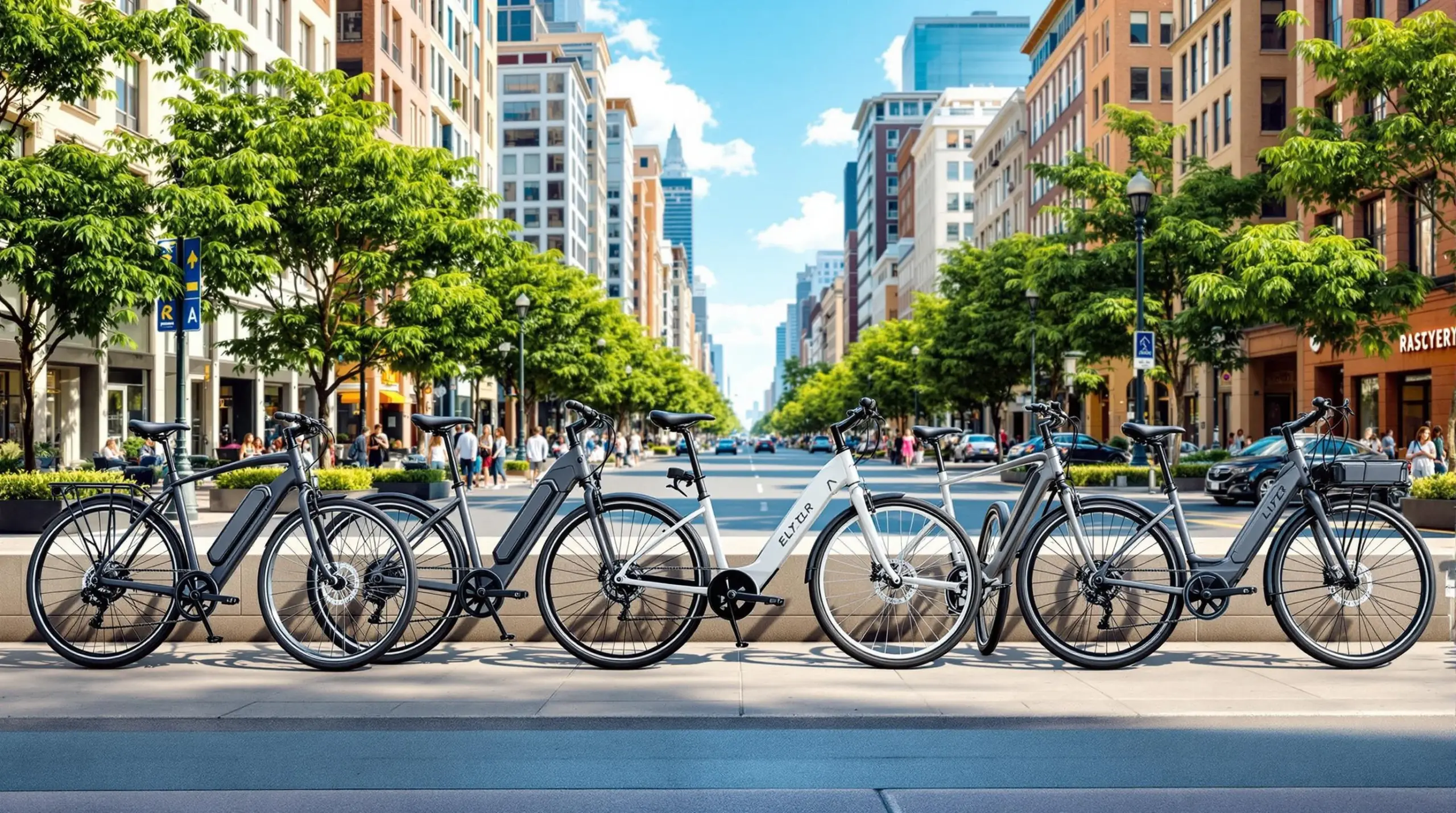
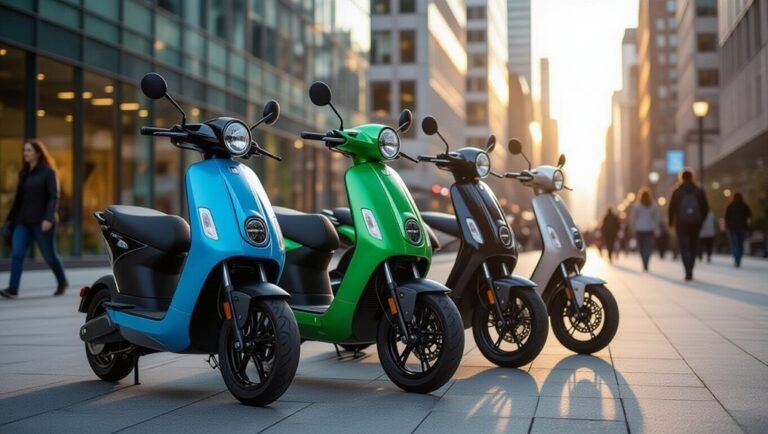
C. The Micromobility Surge: For short to medium-distance trips (typically under 5 miles), electric-powered micromobility vehicles are game-changers. E-scooters and e-bikes offer the perfect blend of speed, agility, and fun, effortlessly weaving through traffic and solving the infamous “last-mile problem” the final leg of a journey from a transit hub to a destination. Their compact size reduces urban congestion and their zero emissions contribute to cleaner air.
D. The Rise of Autonomous and Connected Vehicles (AVs/CVs): While fully self-driving cars for personal use are still on the horizon, their influence is already being felt. Autonomous shuttles are being tested in controlled environments and specific city routes. More importantly, connected vehicle technology, where cars “talk” to each other and to infrastructure (V2V and V2I), is already enhancing safety and smoothing traffic flow by coordinating movements and providing advanced warnings.
E. The Flexible and Hybrid Work Model: The post-pandemic shift towards remote and hybrid work is perhaps the most significant non-technological factor. With fewer people commuting five days a week, rush hours have altered. This has reduced peak-time congestion but also means that when people do commute, they expect a higher-quality, more productive experience to justify the trip.
B. Decoding the Secrets to a Smarter 2026 Commute
Understanding the trends is one thing; applying them is another. Here are the actionable secrets to mastering your urban commute in 2025.
A. Become a Multimodal Commuter: The biggest secret is to abandon loyalty to a single mode of transport. The future commuter is agile and multimodal. Your journey might involve: a 5-minute walk to a bus stop, a 15-minute bus ride into the city center, and a 3-minute e-scooter ride to your office door. Apps like Google Maps, Citymapper, or dedicated MaaS apps in your city are essential for planning these interconnected trips seamlessly.
B. Harness the Power of Predictive Analytics: Don’t just use maps for live navigation. Use apps that offer predictive features based on historical data, current events, and even weather conditions. Leave informed. If your app predicts a 20-minute delay on your usual route in 45 minutes, it might suggest leaving now or taking an alternative route immediately. This proactive approach turns time from an enemy into an asset.
C. Optimize for Productivity, Not Just Speed: With the rise of autonomous shuttles and improved public transit, your commute can become a mobile office or a wellness sanctuary. Invest in noise-cancelling headphones for focused work on the train, use audio books or language learning podcasts while driving, or use a relaxed e-bike ride as your daily exercise. Reframing this time transforms it from “wasted” to “valuable.”
D. Master the Financials: The cost of commuting is significant. Secretly, many people are saving hundreds per month by being smart.
-
Calculate True Cost: Factor in gas, insurance, parking, maintenance, and depreciation for a car. Compare this to the cost of a monthly transit pass plus occasional ride-shares. The difference is often staggering.
-
Subscription Models: Explore MaaS subscriptions that offer a bundle of services (e.g., 100 bike-share minutes, 10 bus rides, and two car-share credits per month) for a flat fee.
-
Tax Benefits: Investigate if your employer offers pre-tax commuting benefits for transit or parking, which can lead to substantial savings.
E. Prioritize Safety and Security: New modes bring new safety considerations.
-
For Micromobility: Always wear a helmet. Be hyper-aware of your surroundings cars often don’t see scooters or bikes. Use designated lanes whenever possible.
-
For Ride-Sharing: Always verify the license plate and driver photo before entering a vehicle. Share your trip status with a friend or family member.
-
General Awareness: In a world of distractions, keep your head up and your devices down when crossing streets or navigating stations.
F. Embrace Sustainability as a Benefit: Choosing greener commutes isn’t just good for the planet; it’s often faster, cheaper, and less stressful. Taking an e-scooter instead of sitting in traffic provides a sense of agency and contribution to reducing your city’s carbon footprint and noise pollution. This psychological benefit adds a layer of satisfaction to your journey.
C. Overcoming the Inevitable Challenges of Future Commuting
No system is perfect. The commuter of 2025 must also be prepared to navigate new sets of challenges.
A. Digital Equity and Access: The reliance on smartphones and apps risks leaving behind elderly or low-income populations who may not have access to the required technology or data plans. Cities and service providers must work to ensure equitable access through alternative payment and planning methods.
B. Urban Infrastructure Strain: Cities are scrambling to catch up with the micromobility revolution. The lack of dedicated bike/scooter lanes creates conflicts between vehicles, pedestrians, and riders. Adequate parking and charging infrastructure for this new fleet of devices is a persistent issue that urban planners are urgently addressing.
C. Regulatory and Safety Hurdles: The legal framework for e-scooters, data privacy in MaaS apps, and the eventual rollout of AVs is a complex and evolving landscape. Regulations vary wildly from city to city, creating a patchwork of rules that commuters must navigate.
D. The “Data Fatigue” Factor: Being constantly connected and optimized can itself become a source of stress. The pressure to always choose the most efficient route can be draining. The secret here is to sometimes disconnect; if you enjoy a slightly longer scenic walk, it’s worth the extra five minutes for your mental health.
D. A Glimpse Beyond: What Comes After 2026?
The evolution will not stop. The trends we see today point towards an even more integrated future.
-
Urban Air Mobility (UAM): While still in early stages, eVTOL (electric Vertical Take-Off and Landing) aircraft—essentially flying taxis are being developed for intra-city travel. They promise to leapfrog ground traffic entirely but face immense regulatory and infrastructural hurdles.
-
Hyperloop and High-Speed Subterranean Networks: Companies are exploring ultra-high-speed travel in low-pressure tubes or through networks of tunnels deep underground to connect city centers to suburbs at unprecedented speeds.
-
The Fully Autonomous City: In a distant but plausible future, traffic lights may become obsolete as a centralized AI manages the flow of a fully autonomous vehicle network, where vehicles communicate with each other to navigate intersections perfectly without stopping.
Conclusion: Your Commute, Reimagined
The year 2025 is not a finish line but a milestone in the continuous evolution of urban mobility. The secret to mastering your commute lies in a fundamental shift from being a passive participant stuck in traffic to becoming an active, informed conductor of your own mobility orchestra. By embracing multimodality, leveraging technology, optimizing your time and finances, and prioritizing safety and sustainability, you can transform the daily grind into a efficient, productive, and even enjoyable part of your day. The future of urban commuting is bright, intelligent, and waiting for you to seize it. The open road and the dedicated bike lane, and the efficient subway line awaits.